

Values for Impact 2026: Rethinking Finance, Advancing Innovation, Expanding Opportunity
Values for Impact 2026 connected international scholarship, financial-sector expertise and entrepreneurial ambition around a shared challenge: translating ethical principles into meaningful economic and social progress.
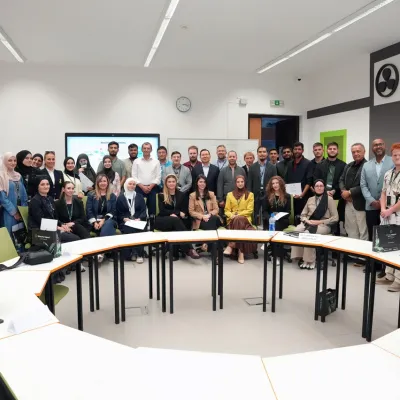
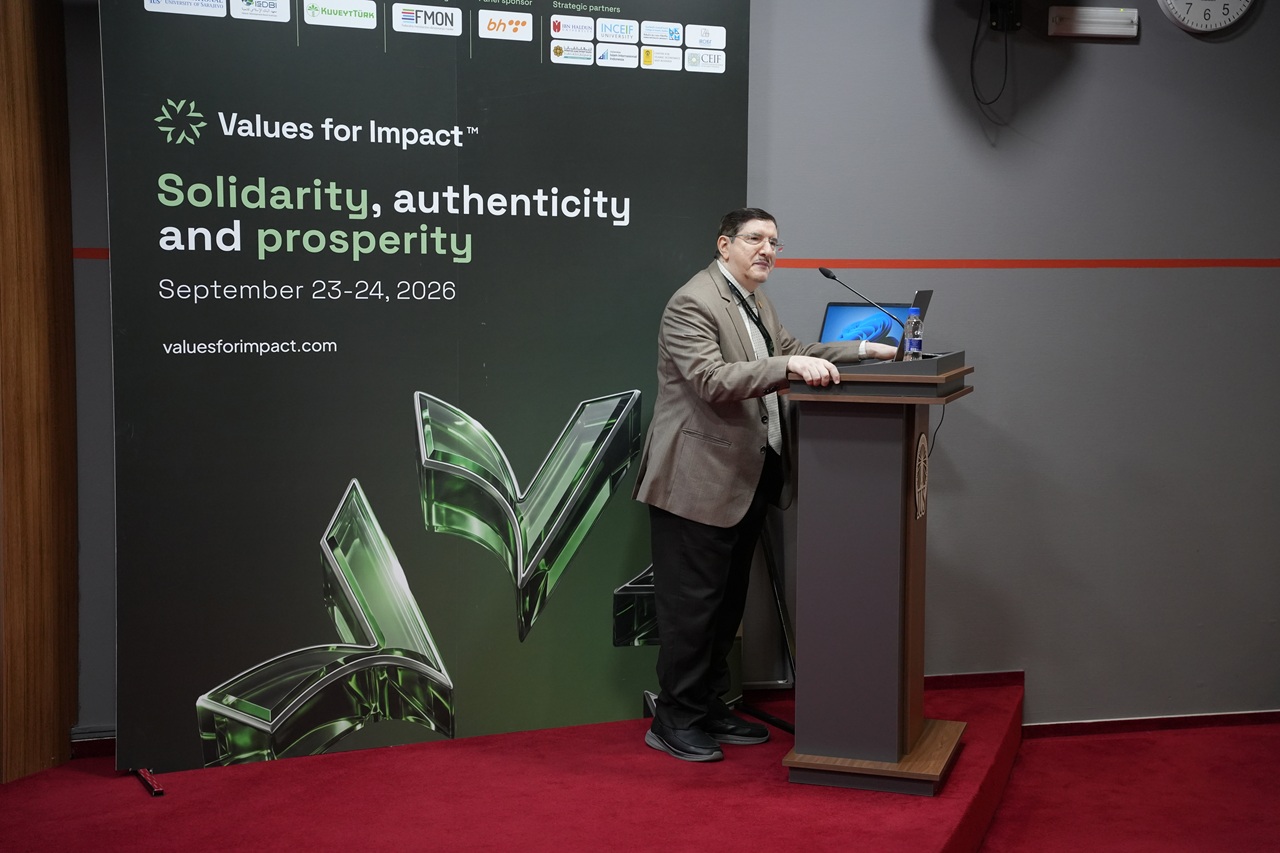
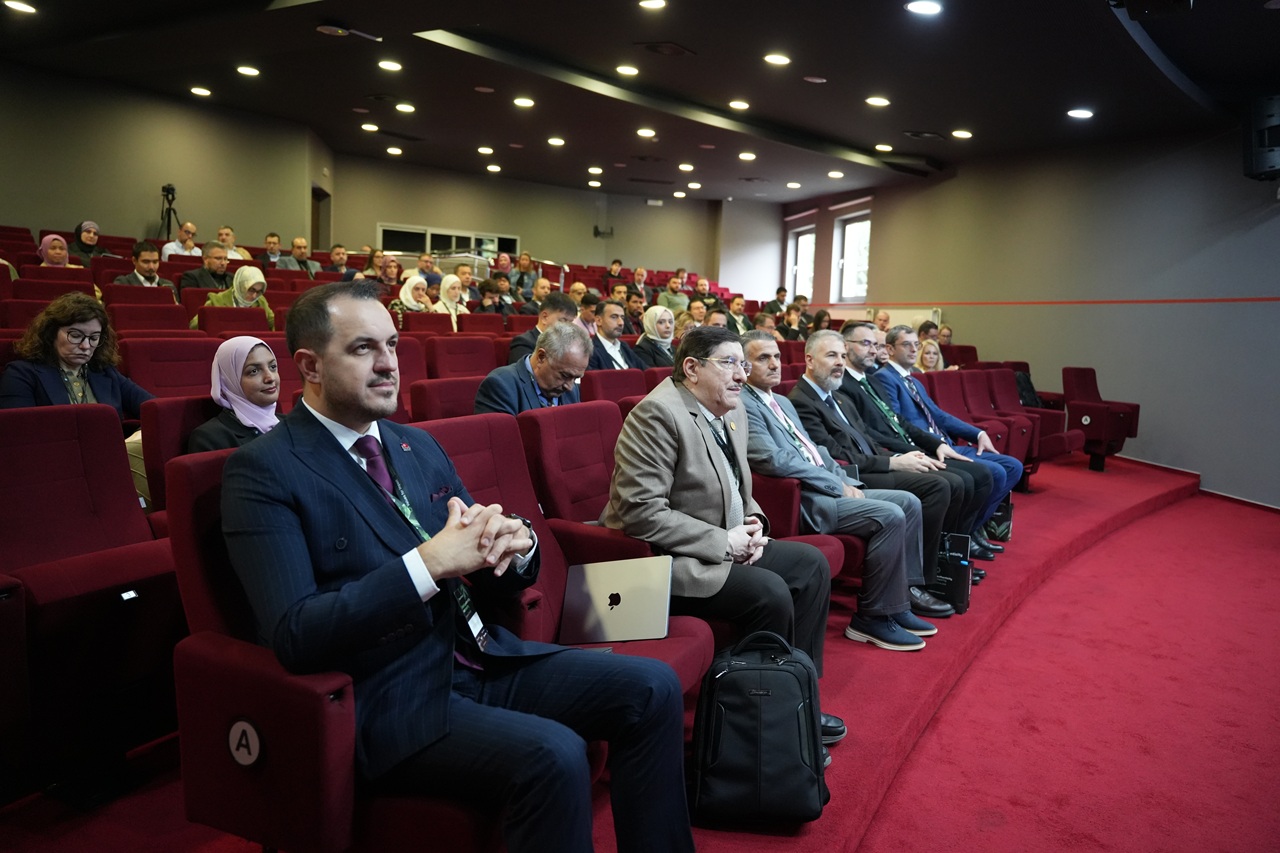
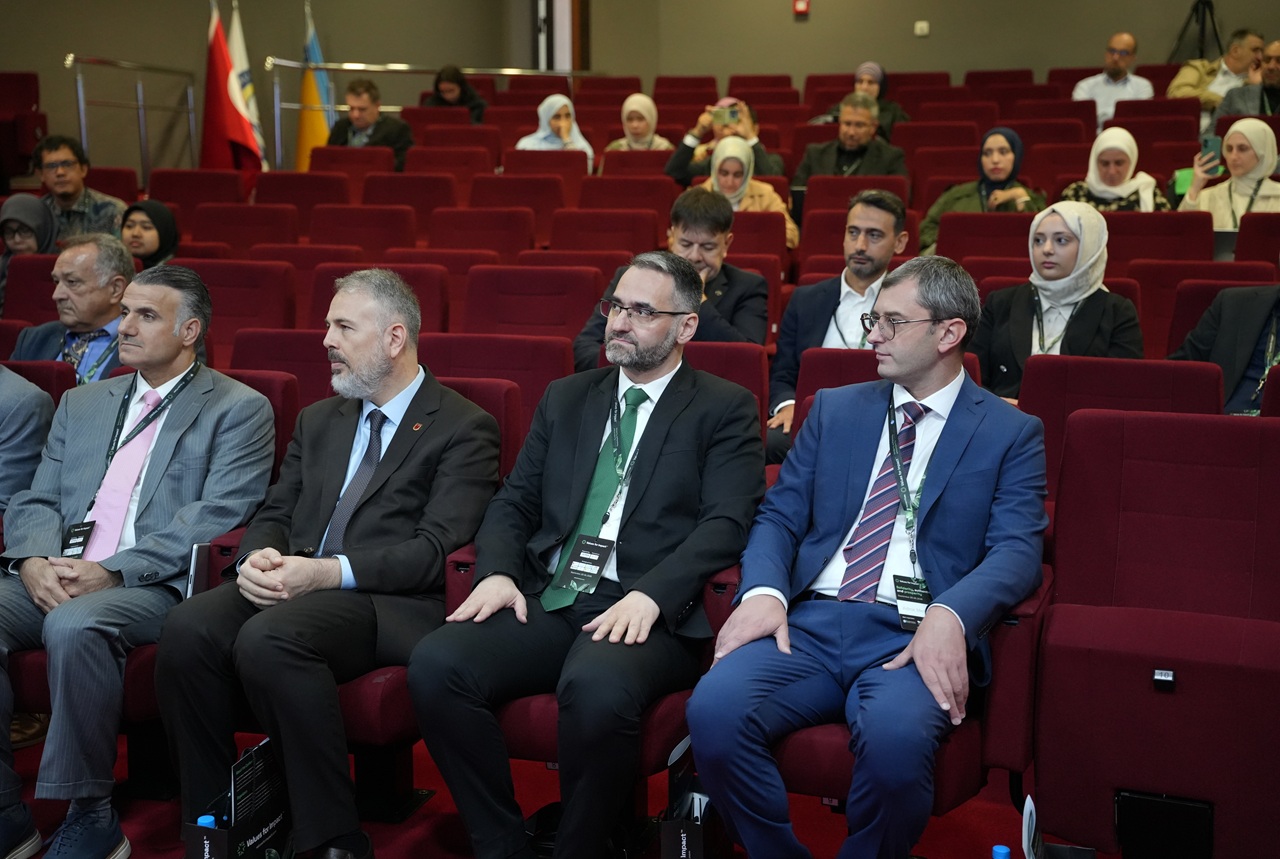
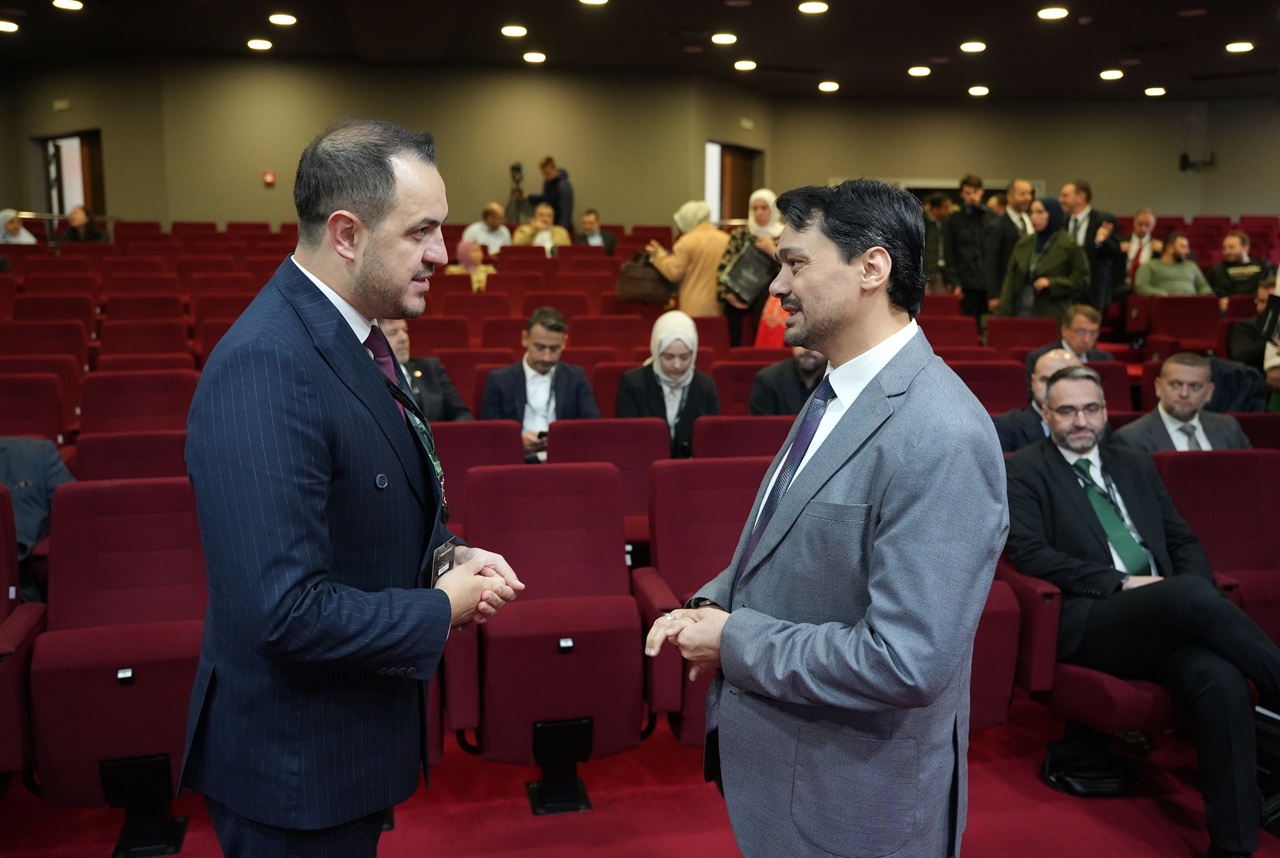
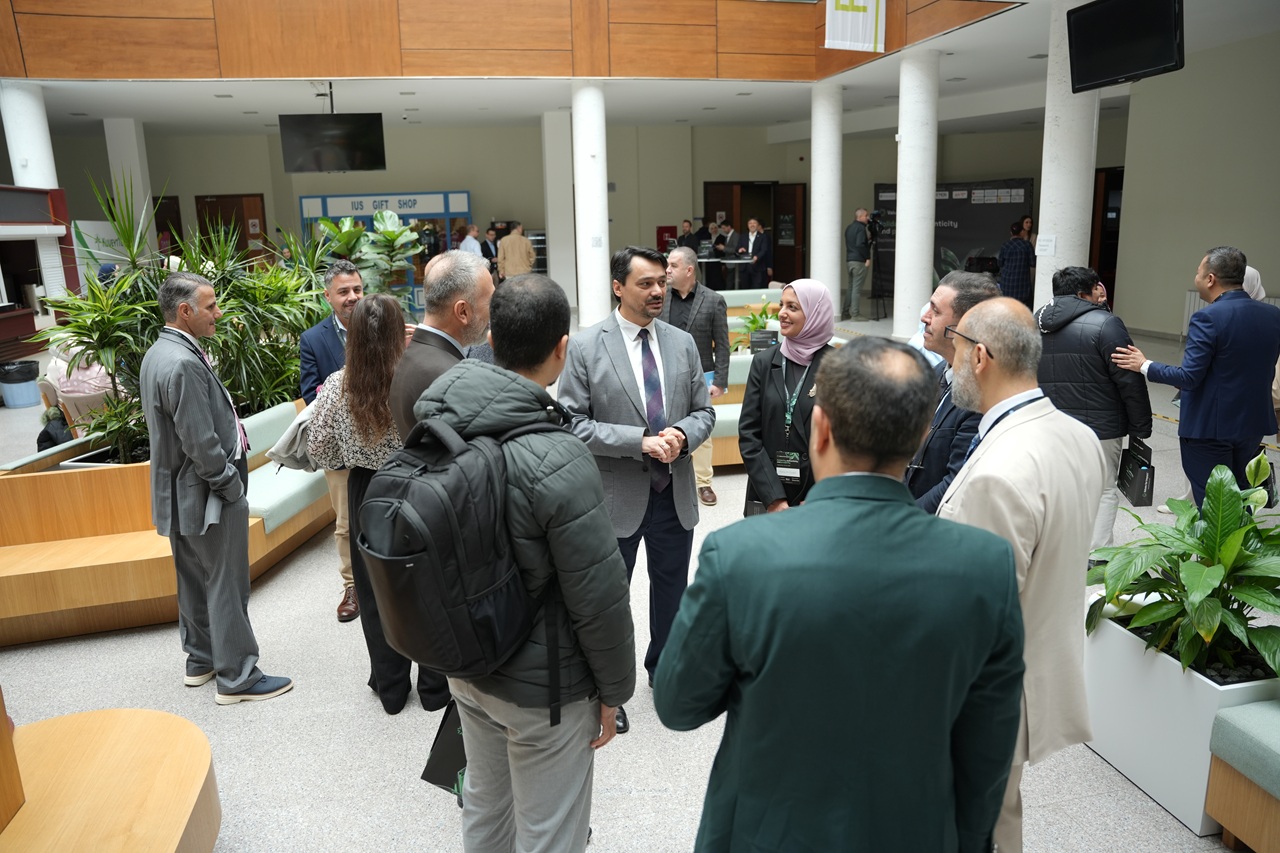
The International University of Sarajevo (IUS) brought the global conversation on Islamic finance, innovation and shared prosperity to Sarajevo on September 23–24, 2026, hosting the international conference “Values for Impact: Solidarity, Authenticity and Prosperity.” Jointly organized with the Islamic Development Bank Institute (IsDBI) through the IUS Faculty of Business and Administration and its Center for Islamic Finance, Innovation and Sustainability (CIFIS), the conference connected researchers, financial-sector professionals, entrepreneurs and representatives of public institutions across a program designed to bring academic ideas closer to real-world challenges.
With more than 200 research papers across its on-campus and online programs, the conference combined international reach with substantive academic engagement. Its twelve on-campus academic sessions and two high-level panels created a meeting point for research, industry experience and practical debate - linking questions about the future of finance with the institutions, technologies and opportunities needed to shape it.
International Expertise, a Shared Purpose
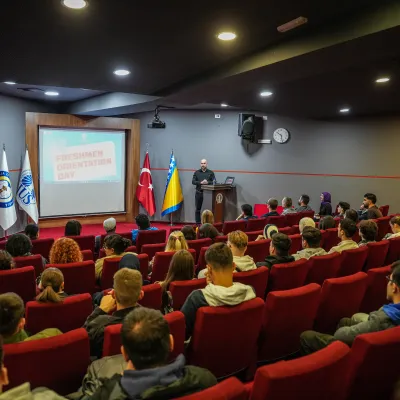
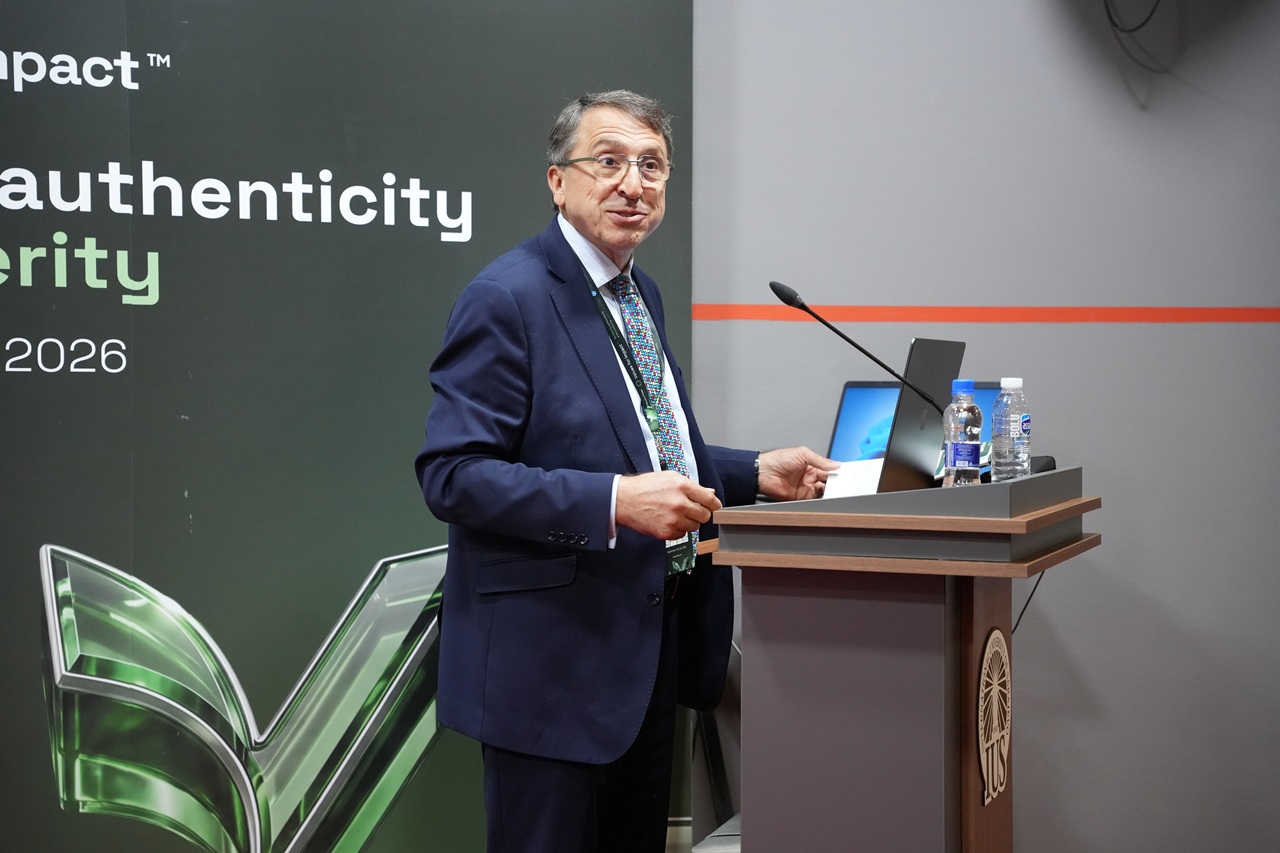
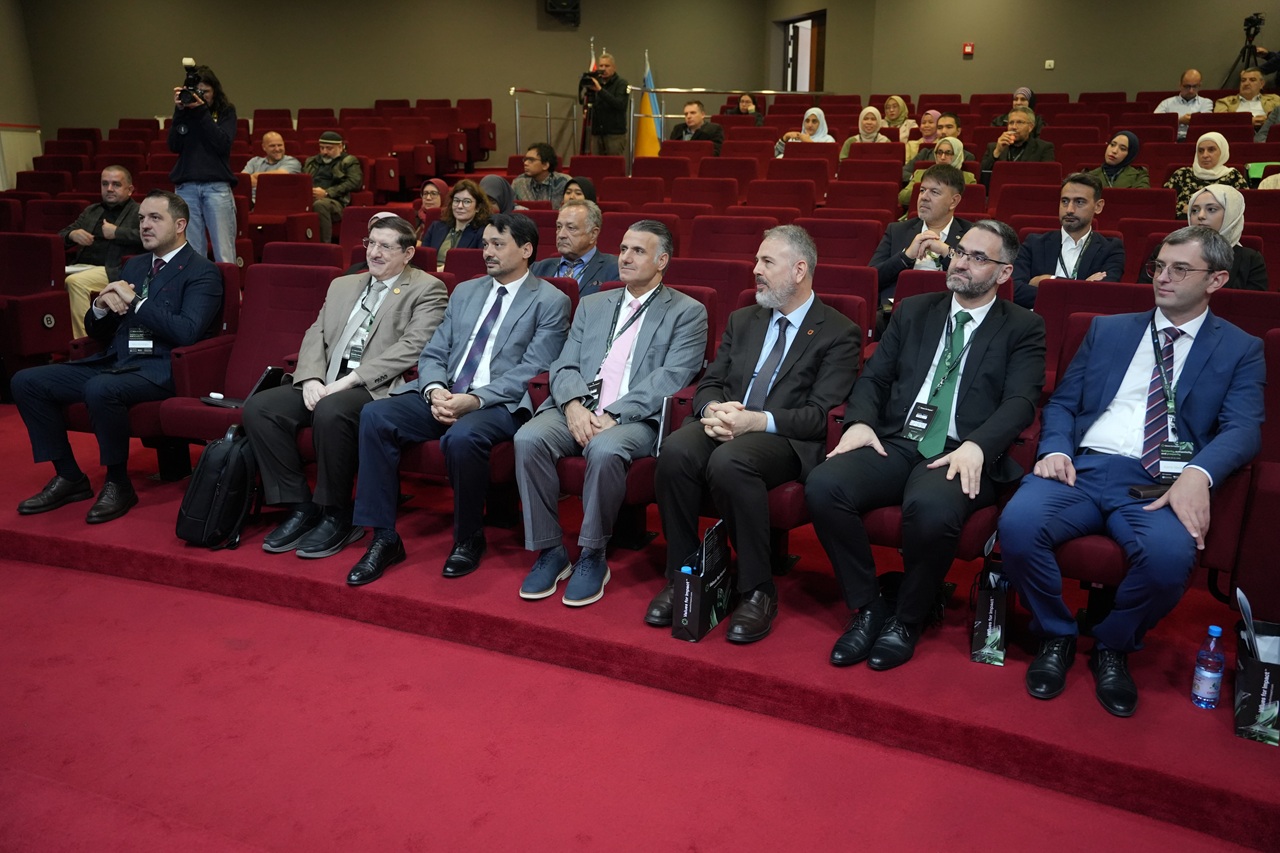
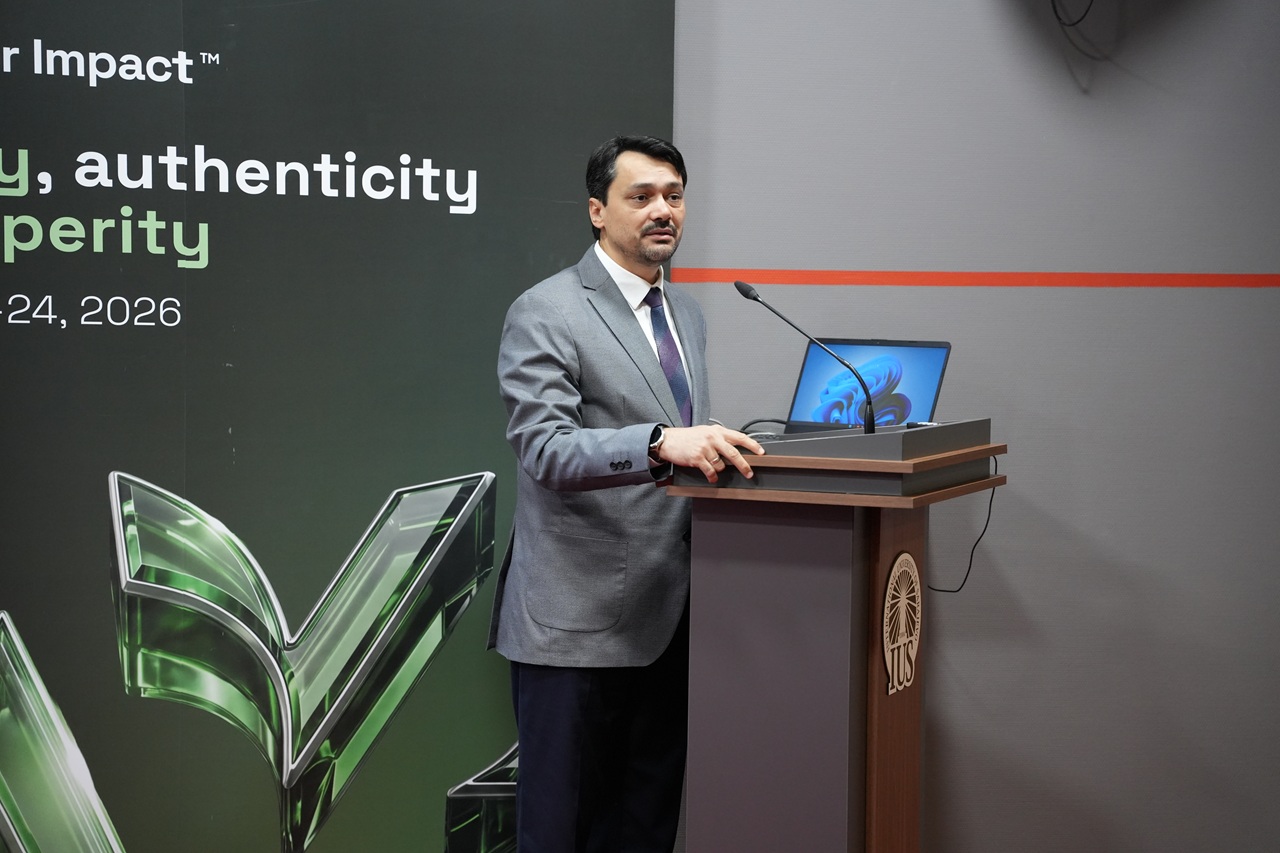
The conference opened with welcoming remarks by Prof. Dr. Ali Osman Kuşakcı, Rector of IUS, and Dr. Sami Al-Suwailem, Acting Director General of the Islamic Development Bank Institute. The keynote program featured Prof. Dr. Mehmet Asutay of Durham University, alongside contributions from Dr. Afan Kalamujić, Minister of Finance of Sarajevo Canton, and Semih Sel, Chief Human Resources and Strategy Officer at Kuveyt Türk. Together, the program brought academic, institutional and financial-sector perspectives into the same conversation.
Dr. Al-Suwailem’s engagement extended across the wider event, from the pre-conference “Islamic Finance for the 21st Century” masterclass on September 22, 2026, to the conference’s discussion of entrepreneurship and startup financing. This continuity connected an intensive learning experience with a broader examination of how Islamic finance can respond to emerging economic and technological challenges.
Where Finance Meets Innovation
A defining feature of Values for Impact 2026 was its focus on the conditions that allow talent and ideas to develop into productive enterprises.
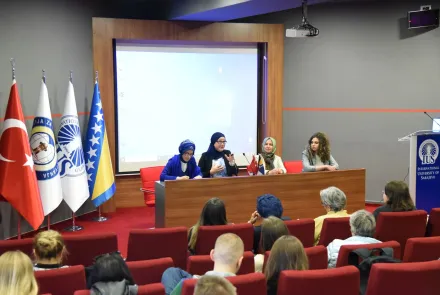
The high-level panel “Technoparks as Engines of Talent Retention and Brain Drain Reversal,” moderated by Dr. Migdat Hodžić, brought together perspectives from BH Telecom’s BHTechLab, Technopark Istanbul, academia and public institutions. The discussion connected innovation infrastructure with a pressing development question: how can talented people gain the support, capital and opportunities to build their futures in their home countries?
The second panel, moderated by Dr. Šejma Aydin, examined entrepreneurship, startup financing and SAFE agreements under the question “Can Islamic Finance Build a Better Startup-Financing Model?” Featuring Dr. Al-Suwailem alongside representatives of IE University, the Sarajevo Canton Ministry of Economy and the Mozaik Foundation, it placed the financing needs of emerging businesses at the center of the discussion.
These themes resonated with IUS’s ambition to develop a technopark connecting research, industry and entrepreneurship. The emphasis was on creating pathways through which knowledge can become innovation, innovation can become a viable business, and business activity can generate meaningful opportunities for young people.
Research That Looks Beyond Financial Performance
The academic program explored Islamic finance through interconnected questions of trust, institutional capacity, financial inclusion, climate risk, social welfare and technological change. Sessions addressed Islamic moral economy, banking transformation, sukuk and capital markets, waqf and zakat, digital banking, and responsible applications of artificial intelligence. This breadth connected foundational debates about the purpose of finance with empirical research and practical challenges facing financial institutions and communities.
The concluding program included a special address on “Waqf and the Future of Higher Education” by Prof. Dr. Özcan Erkan Akgün of Ibn Haldun University.
A Partnership Behind the Ambition
The conference was made possible through the collaboration of academic, institutional and corporate partners. IUS extends particular appreciation to the Islamic Development Bank Institute, its co-organizer, and to Dr. Sami Al-Suwailem and the IsDBI team for their intellectual contribution, engagement and commitment to connecting research with practical development challenges.
Special recognition goes to Kuveyt Türk Participation Bank, Platinum Sponsor, and BH Telecom, Panel Sponsor, together with the Federal Ministry of Education and Science for its support. Their involvement helped bring academic expertise into direct dialogue with business and public institutions.
The conference also benefited from an international academic partnership involving Ibn Haldun University, Istanbul Sabahattin Zaim University, INCEIF University, the International Islamic University Malaysia, Hamad Bin Khalifa University and Universitas Indonesia, alongside their specialized centers. Appreciation also extends to the speakers, authors, session chairs, organizing colleagues and student volunteers whose contributions supported the event.
By bringing world-class expertise into conversation with local aspirations and international development challenges, Values for Impact 2026 expressed an ambition extending beyond the conference itself: to connect knowledge with opportunity, finance with purpose, and international cooperation with practical progress.
The ambition is not simply to discuss the future of finance in Sarajevo - but to help shape it from Sarajevo.