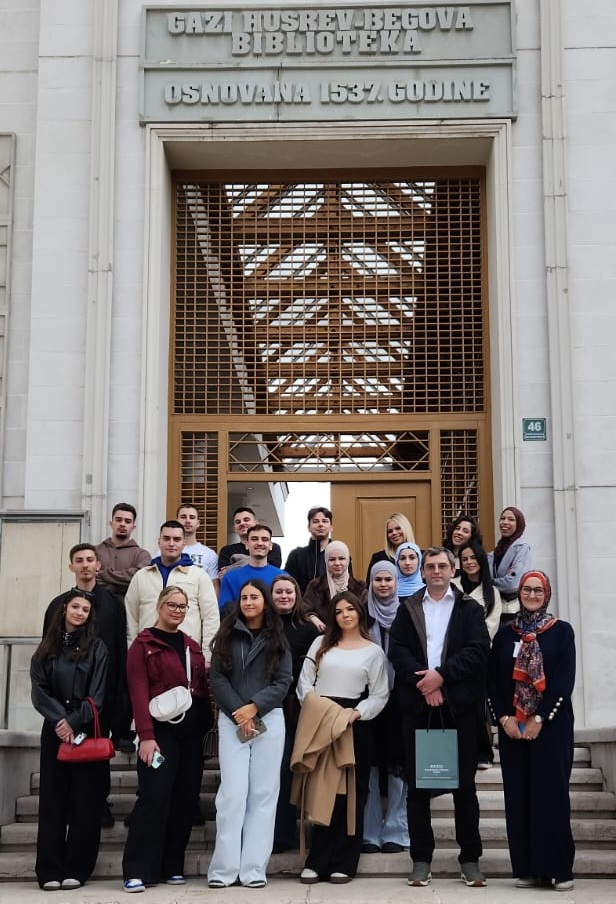
IUS Students Explore Islamic Social Finance through Sarajevo’s Waqf Heritage
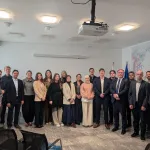
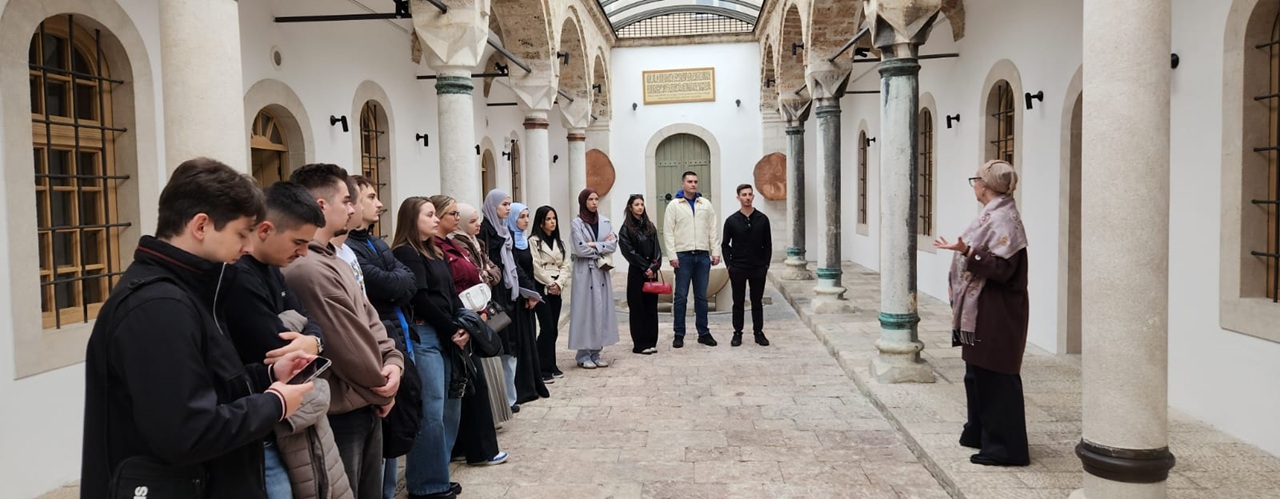
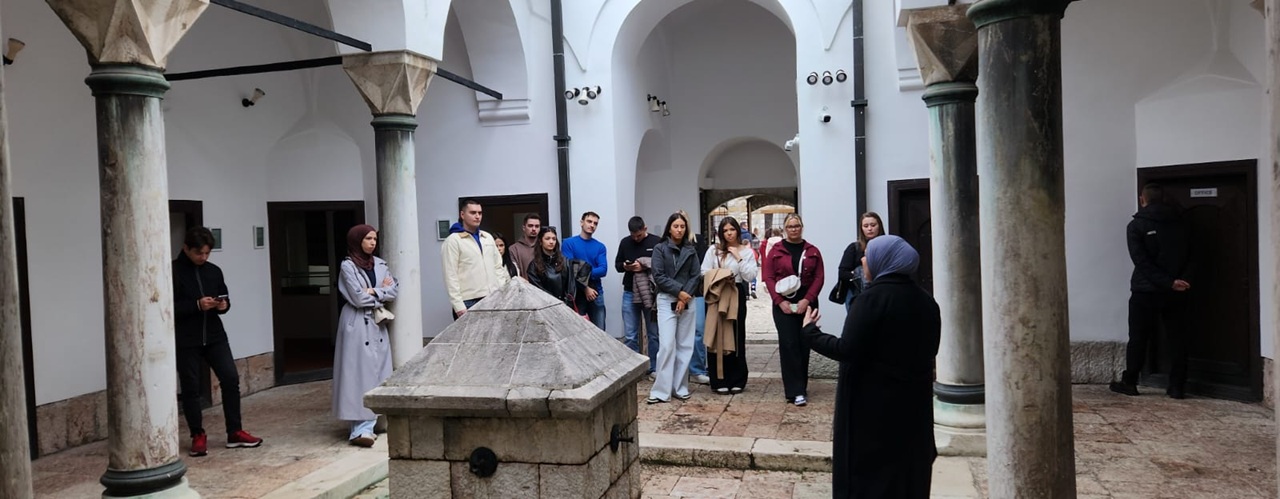
How can assets be managed to serve communities across generations? Students taking the Islamic Economics course at the International University of Sarajevo (IUS) explored this question during a study visit to Gazi Husrev-bey’s waqf in Sarajevo, led by Asst. Prof. Dr. Admir Mešković.
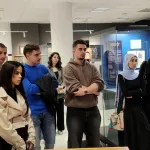
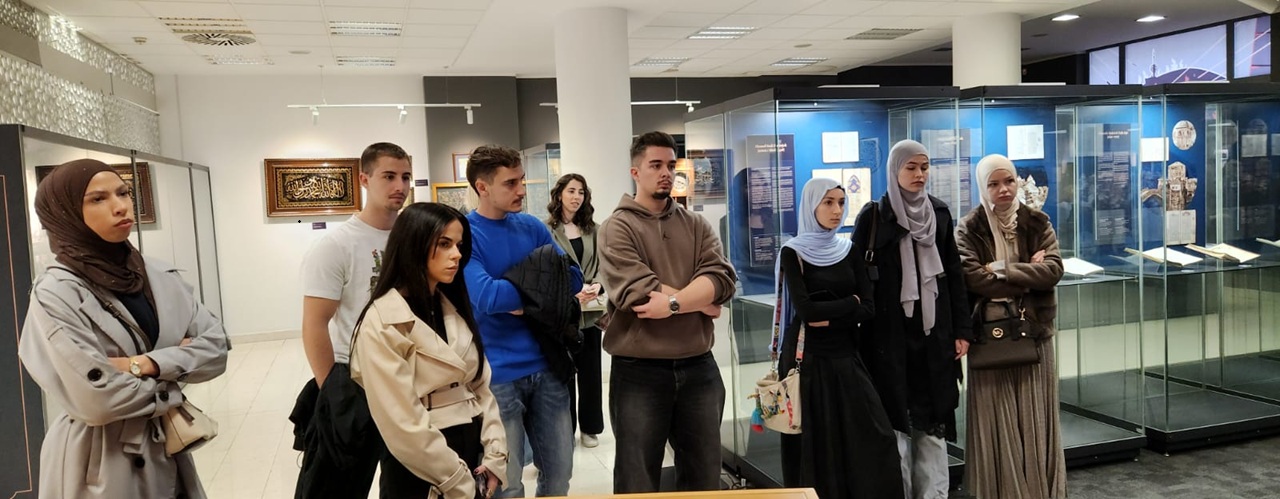
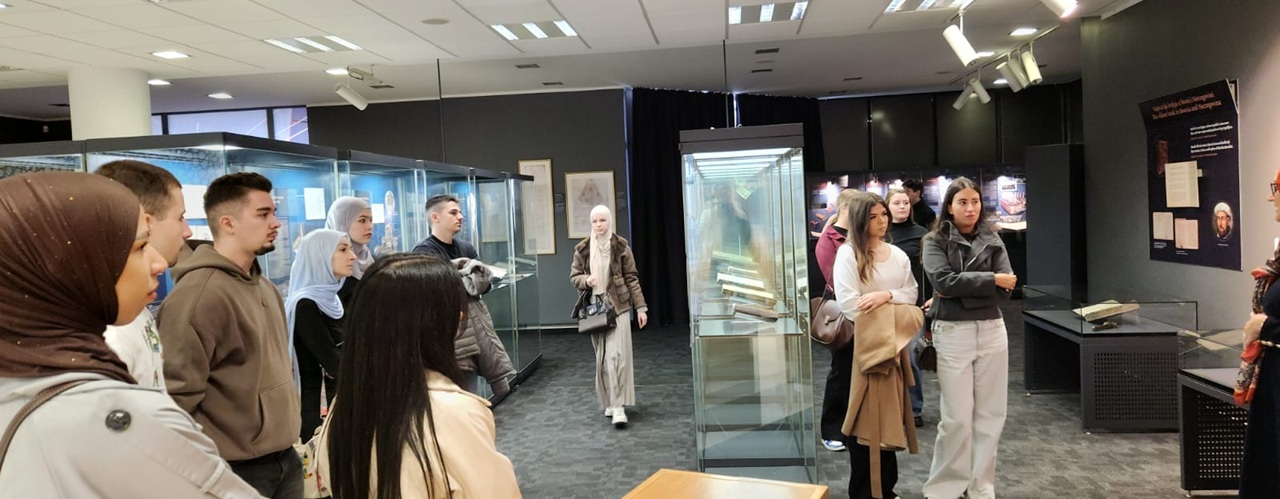
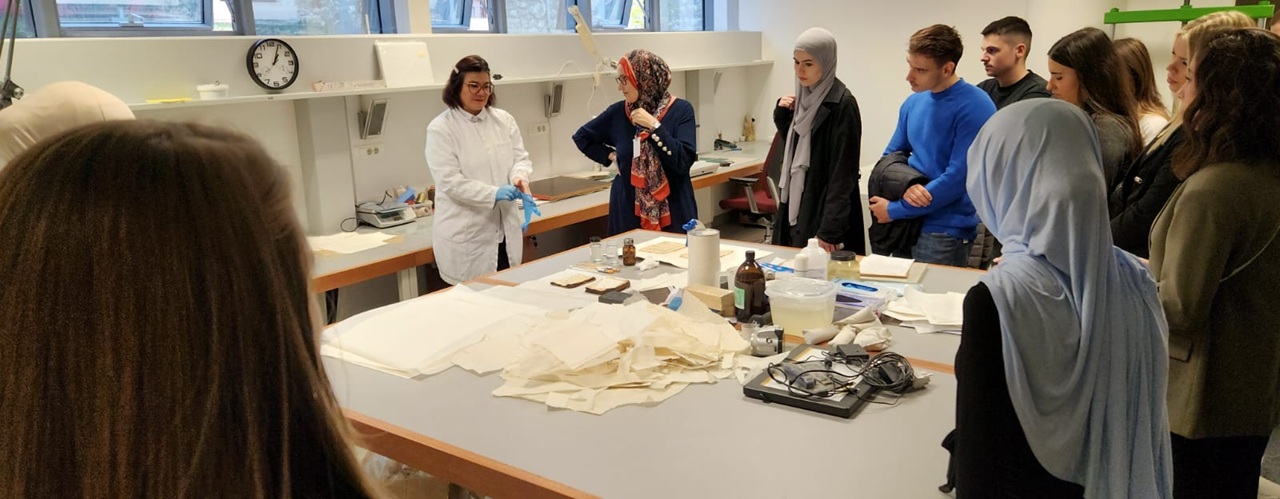
The visit included the Museum of Islamic Culture and Art and the Gazi Husrev-bey Library, connecting classroom discussions with institutions closely linked to Sarajevo’s cultural, educational and community life.
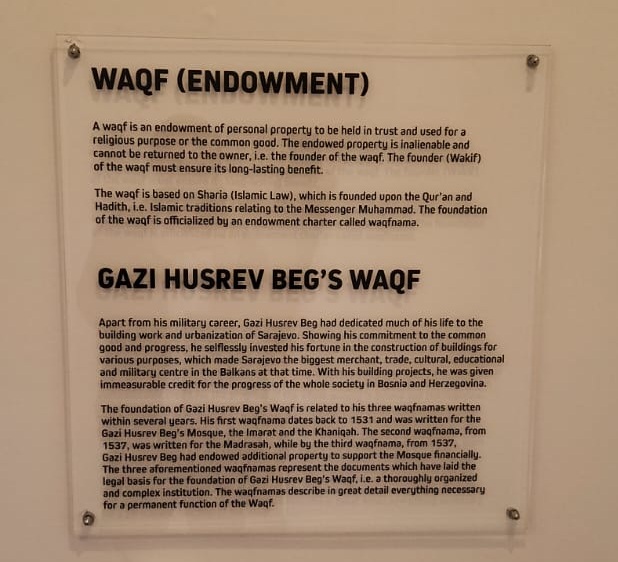
Central to the visit was the concept of waqf, an endowment through which assets are dedicated to lasting social benefit. As an instrument of Islamic social finance, waqf combines charitable purposes with the responsible management of resources to support both present and future generations.
Gazi Husrev-bey’s legacy provided a practical context for examining the relationship between philanthropy, asset management, education and socioeconomic development. By exploring institutions associated with this legacy, students considered how endowments can preserve cultural and intellectual heritage while continuing to meet community needs.
The experience also encouraged students to reflect on broader questions about the purpose of finance: how resources are allocated, whose needs they serve and how institutions can sustain their contribution to society over time.
Through the visit, the Islamic Economics course connected economic analysis with Sarajevo’s institutional heritage, offering students a closer understanding of social responsibility and the enduring role of endowments in community development.