
BSC and PSIR Organize Workshop on the OSCE Mission and Its Role in Building Peace and Stability
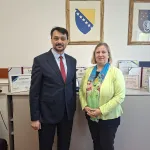
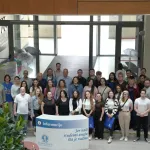
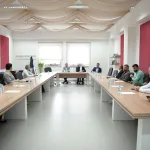
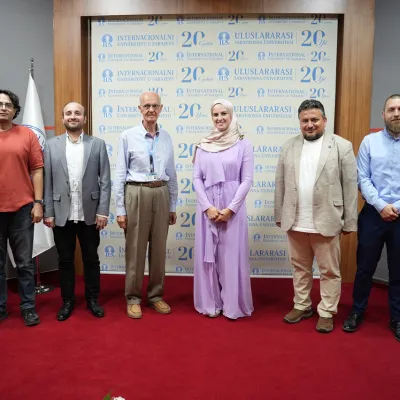
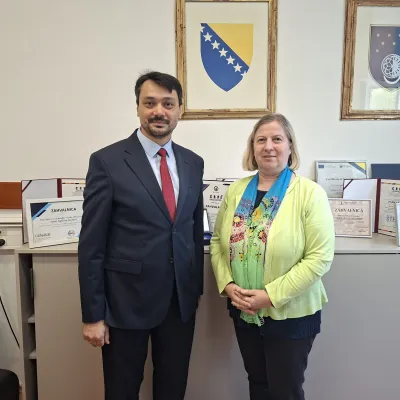
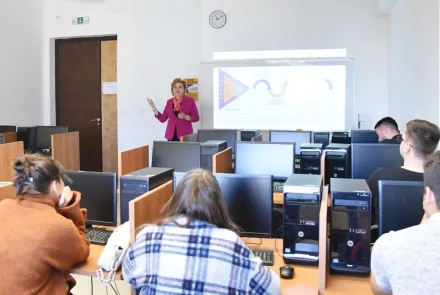
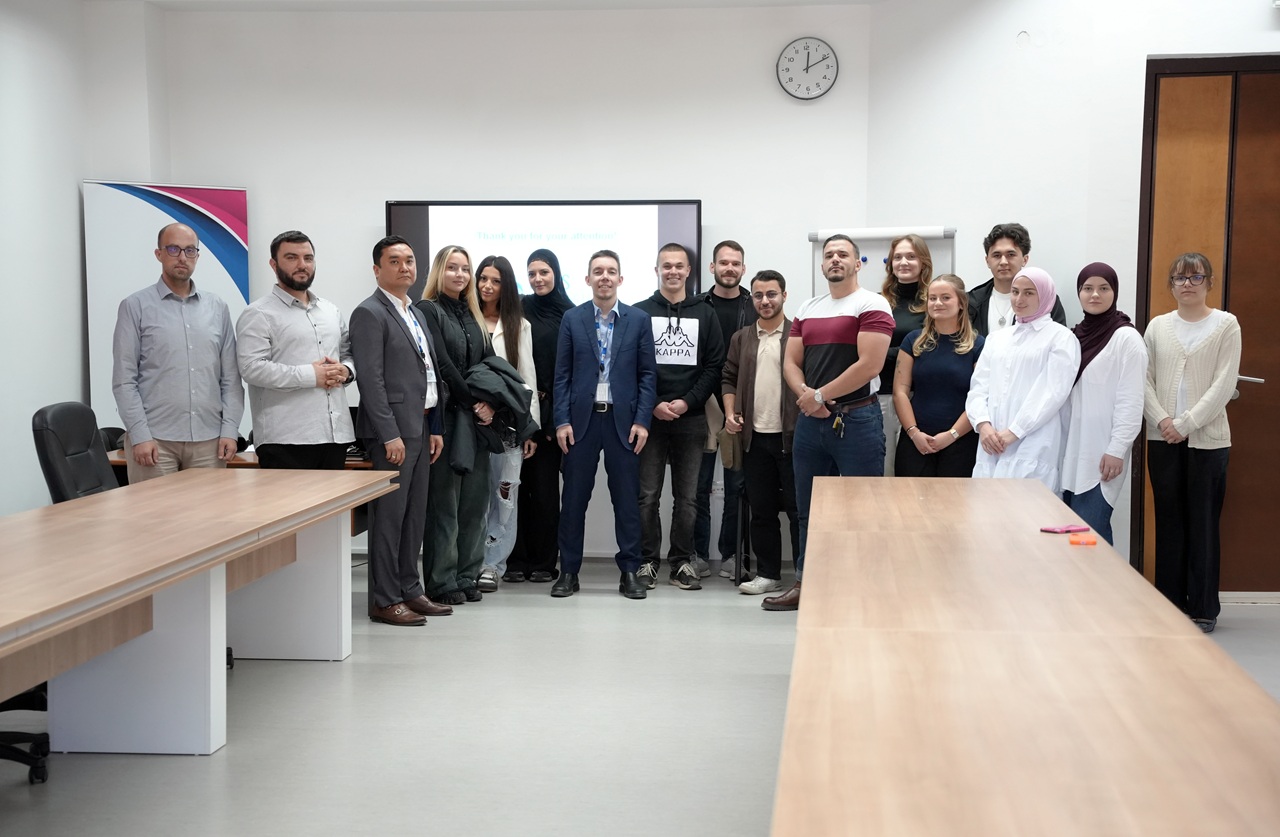
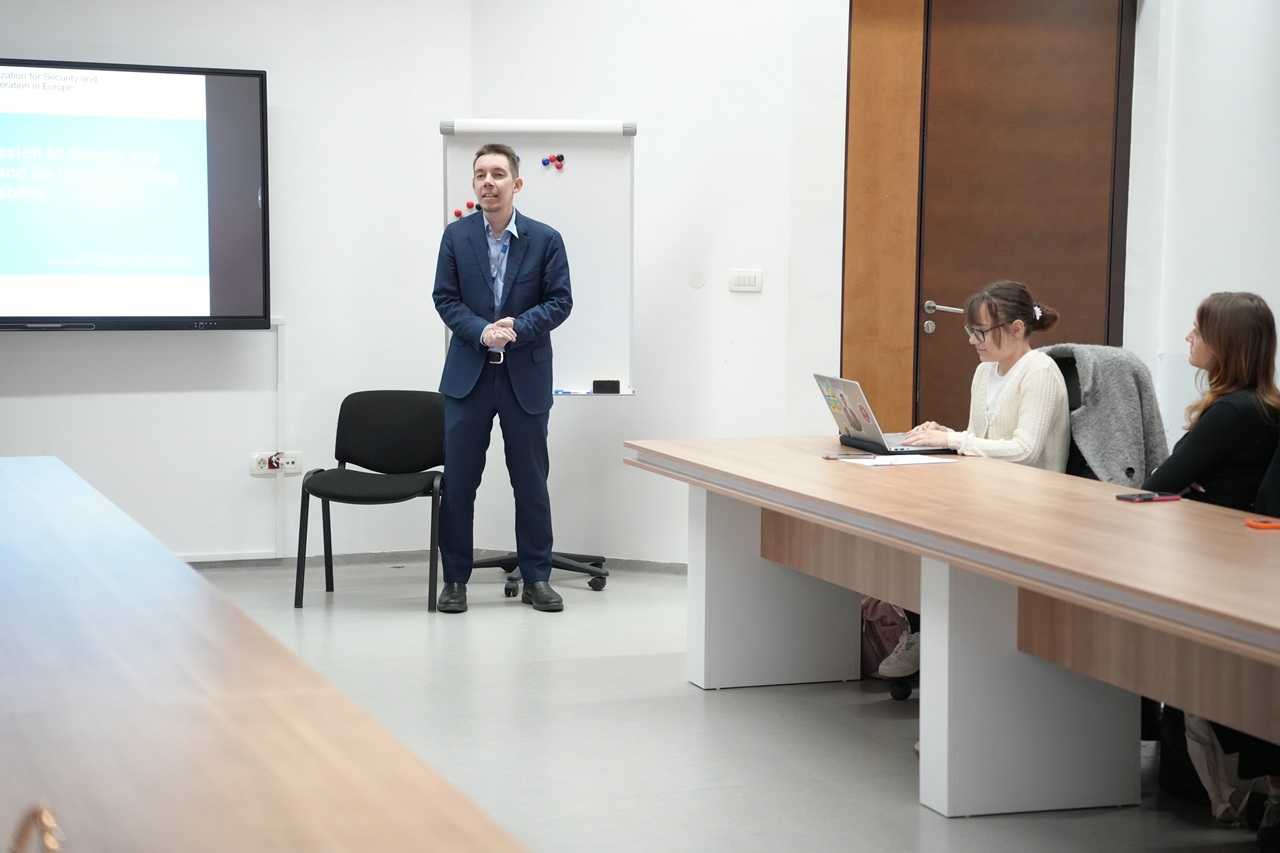
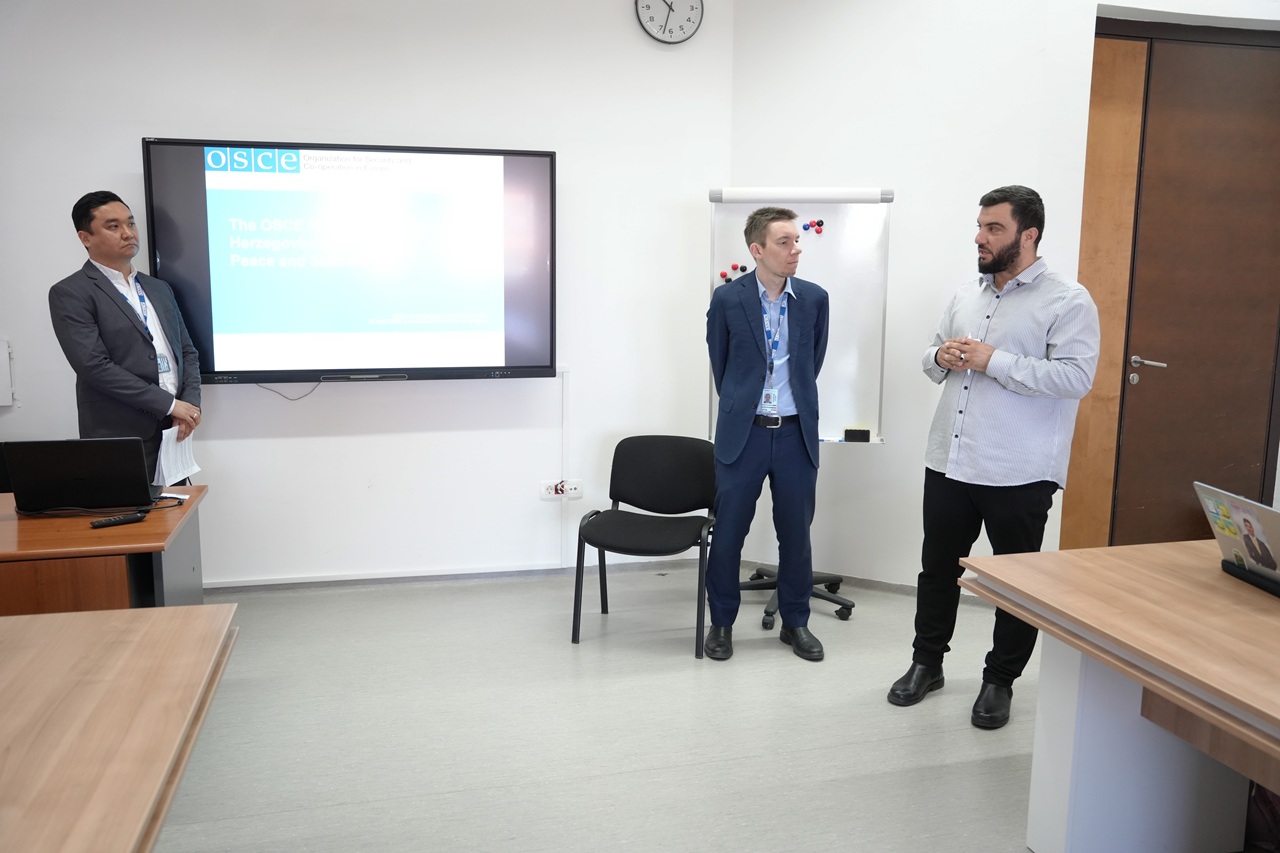
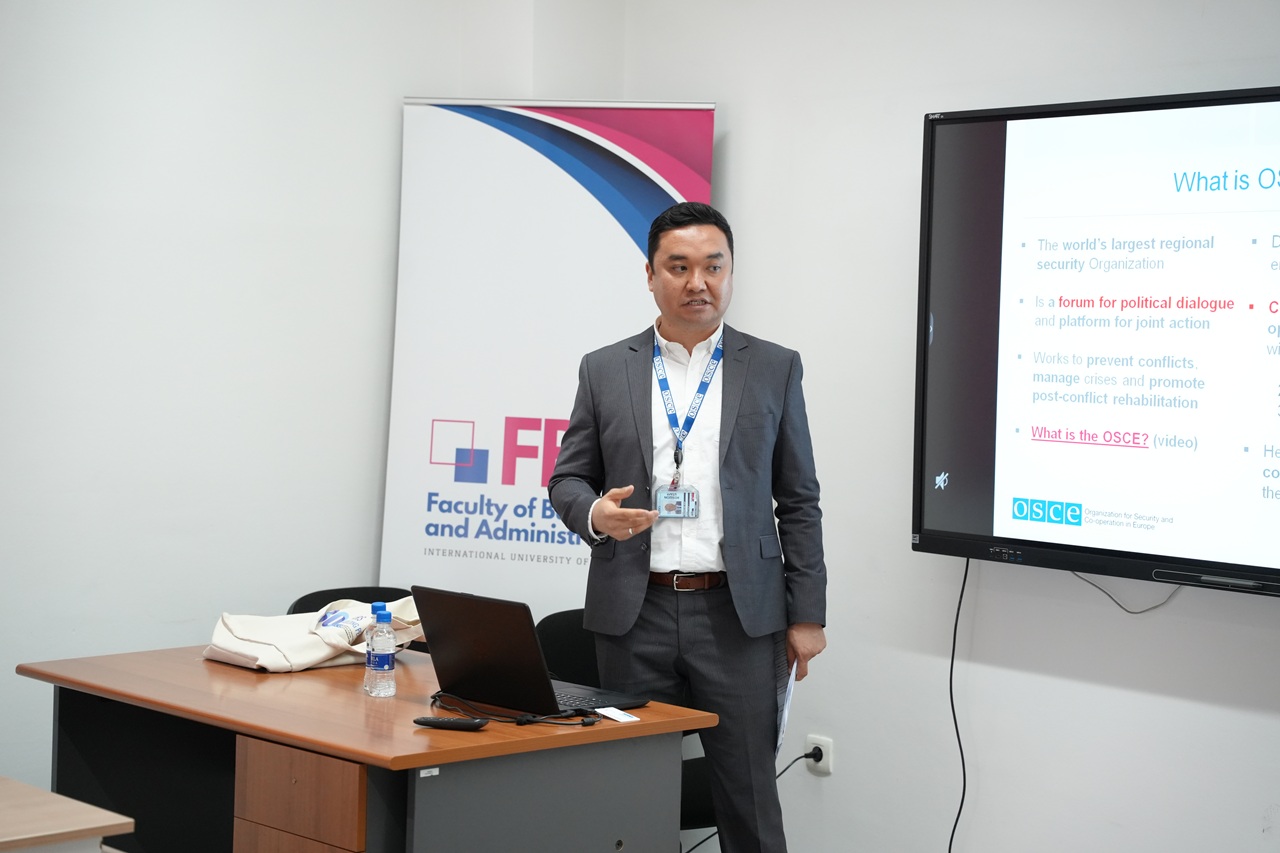
The Balkan Studies Center (BSC), in collaboration with the Political Science and International Relations (PSIR) study program, organized an interactive workshop featuring Mr. Guido Almerigogna, Senior Political Adviser, and Mr. Emil Suiunaliev, Political Officer at the OSCE Mission to Bosnia and Herzegovina. The workshop focused on “The OSCE Mission to Bosnia and Herzegovina and Its Role in Building Peace and Stability.”
The speakers began by outlining the historical development of the Organization for Security and Co-operation in Europe (OSCE), tracing its origins to the 1970s and the broader context of Cold War détente. They emphasized that the OSCE was established with core objectives that include preserving peace, promoting democratic values, preventing conflicts, protecting human rights, and mediating in times of crisis.
An important point highlighted during the session was that the OSCE does not possess coercive enforcement mechanisms. Instead, it operates through cooperative, dialogue-based, and solution-oriented approaches, engaging upon request and facilitating communication among participating states. The speakers noted that the organization currently brings together 57 participating states across Europe, Central Asia, and North America.
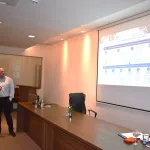
The workshop also offered a structured overview of crisis management and conflict resolution, addressing both theoretical frameworks and their practical application across five main stages. Particular attention was given to the OSCE’s field operations in Bosnia and Herzegovina, where the Mission, headquartered in Sarajevo, maintains a presence through eight regional offices. The speakers underscored the organization’s significant role in the country’s post-war recovery, especially in strengthening democratic institutions and supporting long-term stability.
Furthermore, the importance of the rule of law was emphasized as a fundamental pillar of sustainable peace in post-conflict societies. In comparing the OSCE with the European Union, the speakers pointed out that, unlike the EU, the OSCE does not operate on the basis of conditionality, does not manage financial instruments in the same way, and is not driven by profit-oriented objectives. Rather, its primary strength lies in its ability to facilitate dialogue, encourage cooperation, and build trust among stakeholders.
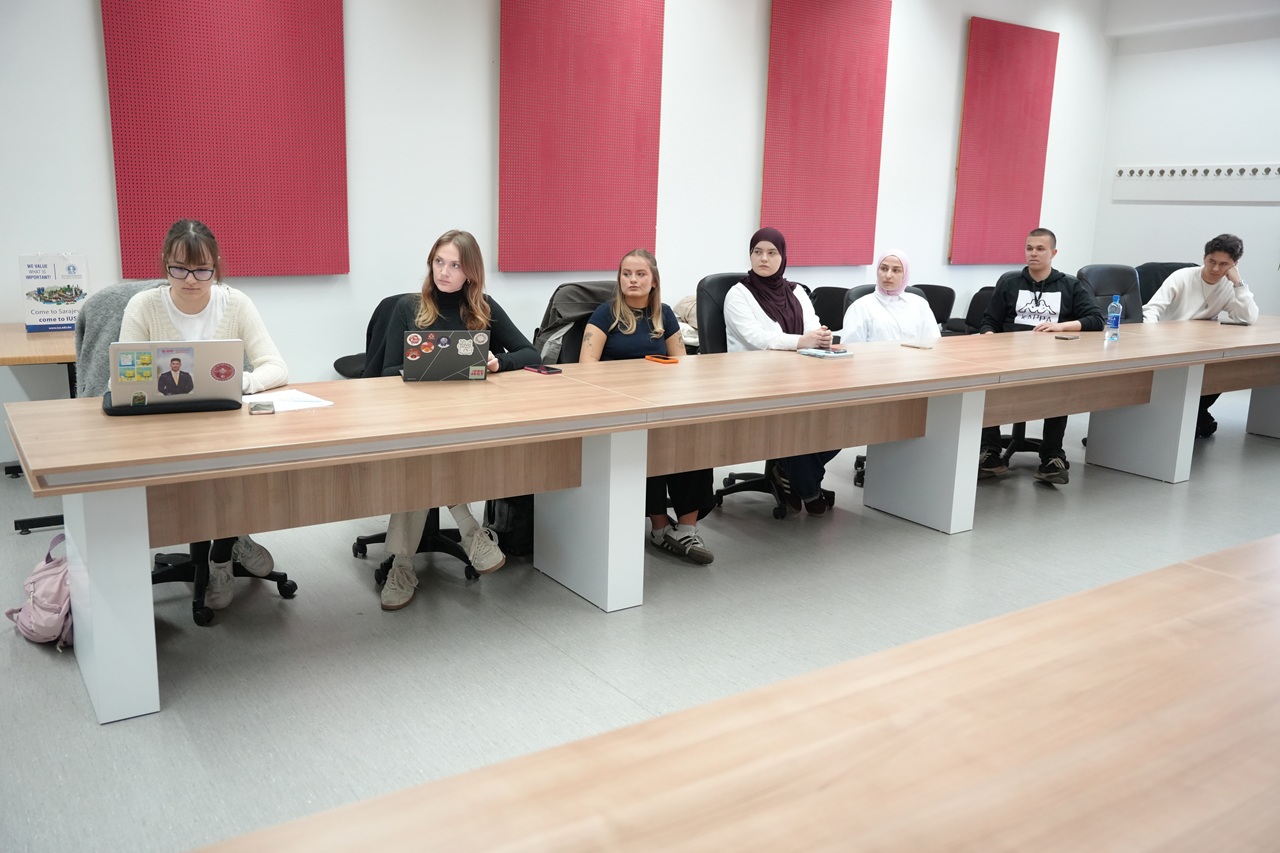
The workshop concluded with an engaging and interactive Q&A session, during which participants contributed thoughtful questions and reflections, creating a dynamic exchange of ideas on the OSCE’s continuing role in promoting peace, security, and stability.