


Guest Lecture on “Russia - Ukraine Relations since the End of the Cold War”
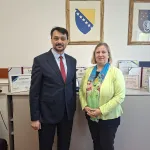
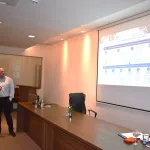
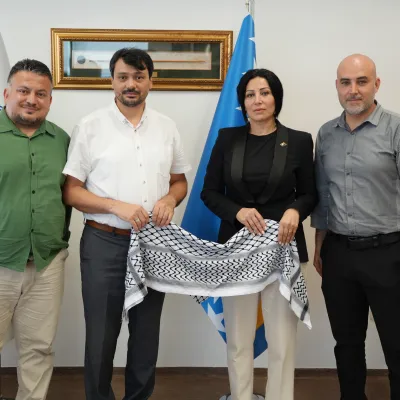
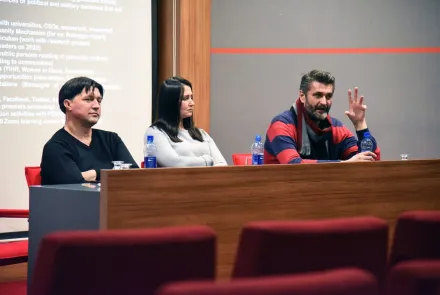
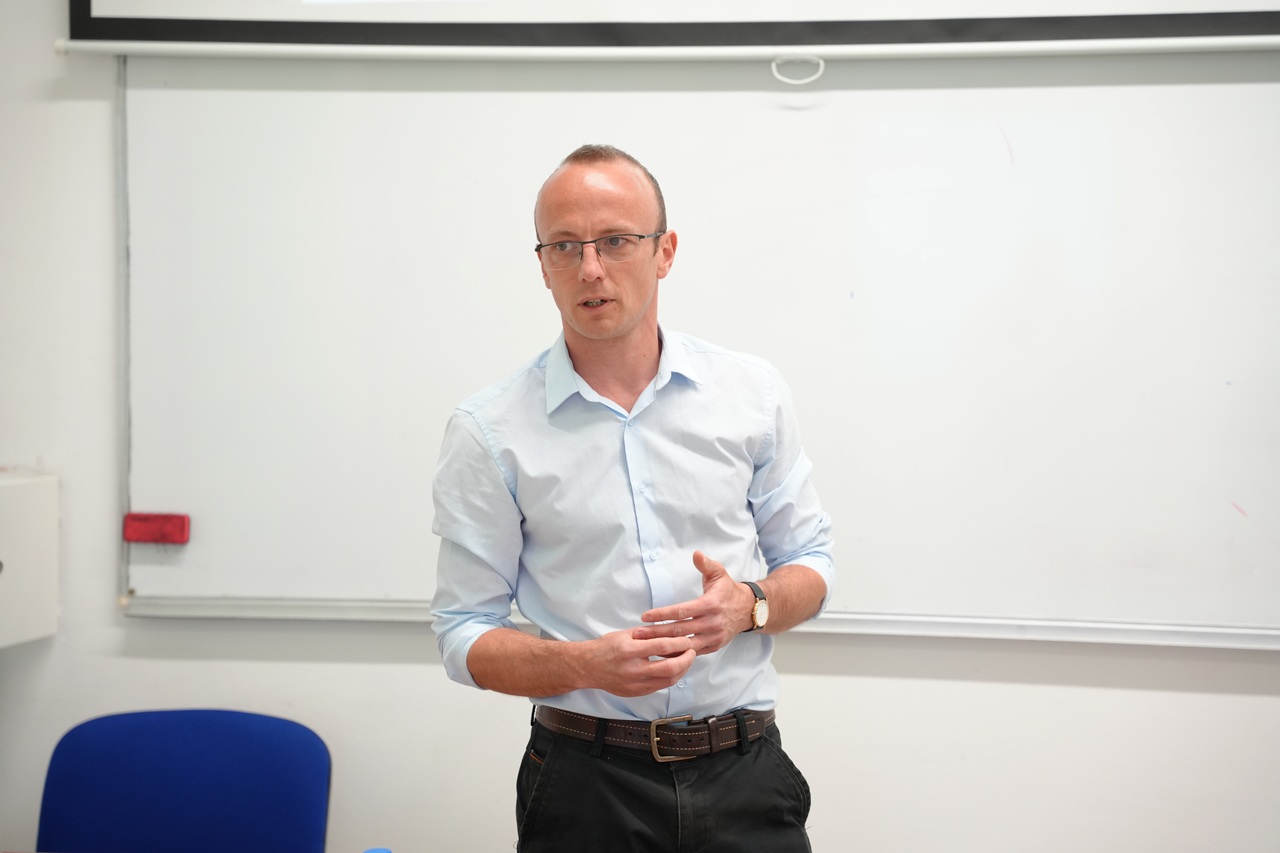
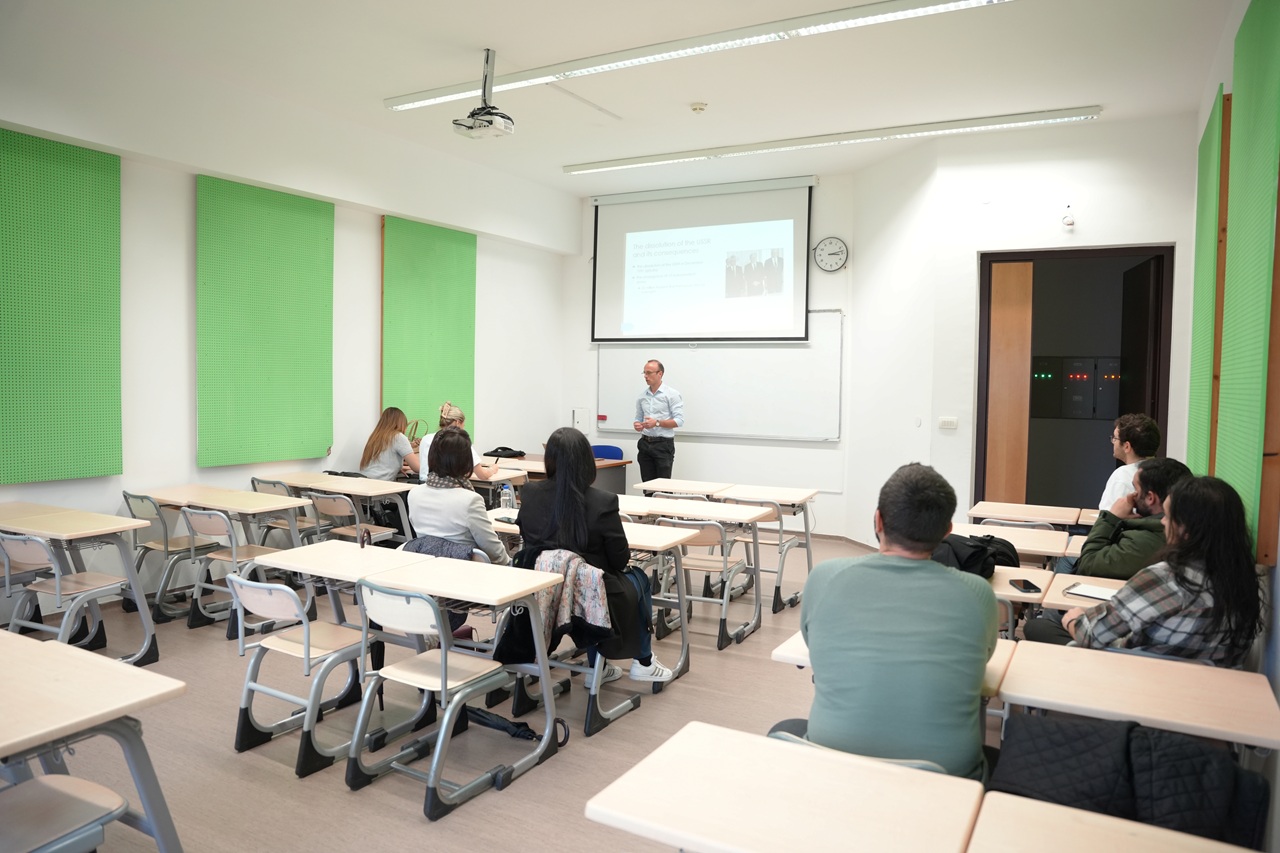
In collaboration with the PSIR study program, the Balkan Studies Center (BSC) hosted Dr. Damian Strycharz, Assistant Professor at the Department of International Relations at the Cracow University of Economics, who delivered a guest lecture at IUS on the topic “Russia-Ukraine Relations since the End of the Cold War.”
Dr. Strycharz began his lecture by highlighting the significance of the collapse of the Soviet Union, which led to the emergence of several independent states, including Ukraine. He emphasized that the early post-Soviet period was marked by deep political and economic crises across the region, affecting nearly all newly independent countries.
Focusing on Ukraine, Dr. Strycharz pointed to the country’s complex demographic structure and its deep historical, cultural, and political ties with Russia. He explained that these intertwined relationships played a crucial role in shaping the dynamics between the two countries over time.
The lecture paid particular attention to key turning points in Russia-Ukraine relations. Dr. Strycharz noted that the Orange Revolution marked a significant deterioration in relations between the two countries. This was followed by the 2014 annexation of Crimea, which further escalated tensions and pushed relations into a more confrontational phase. According to Dr. Strycharz, the situation reached a critical and arguably irreversible stage with the full-scale invasion of Ukraine in 2022.
He also discussed the ongoing consequences of the war, pointing out that both sides have suffered heavy losses and that the outcome of the conflict remains uncertain. In addressing the causes of the invasion, Dr. Strycharz identified Russia’s opposition to NATO expansion as a key factor, while also acknowledging the influence of broader geopolitical and strategic considerations.
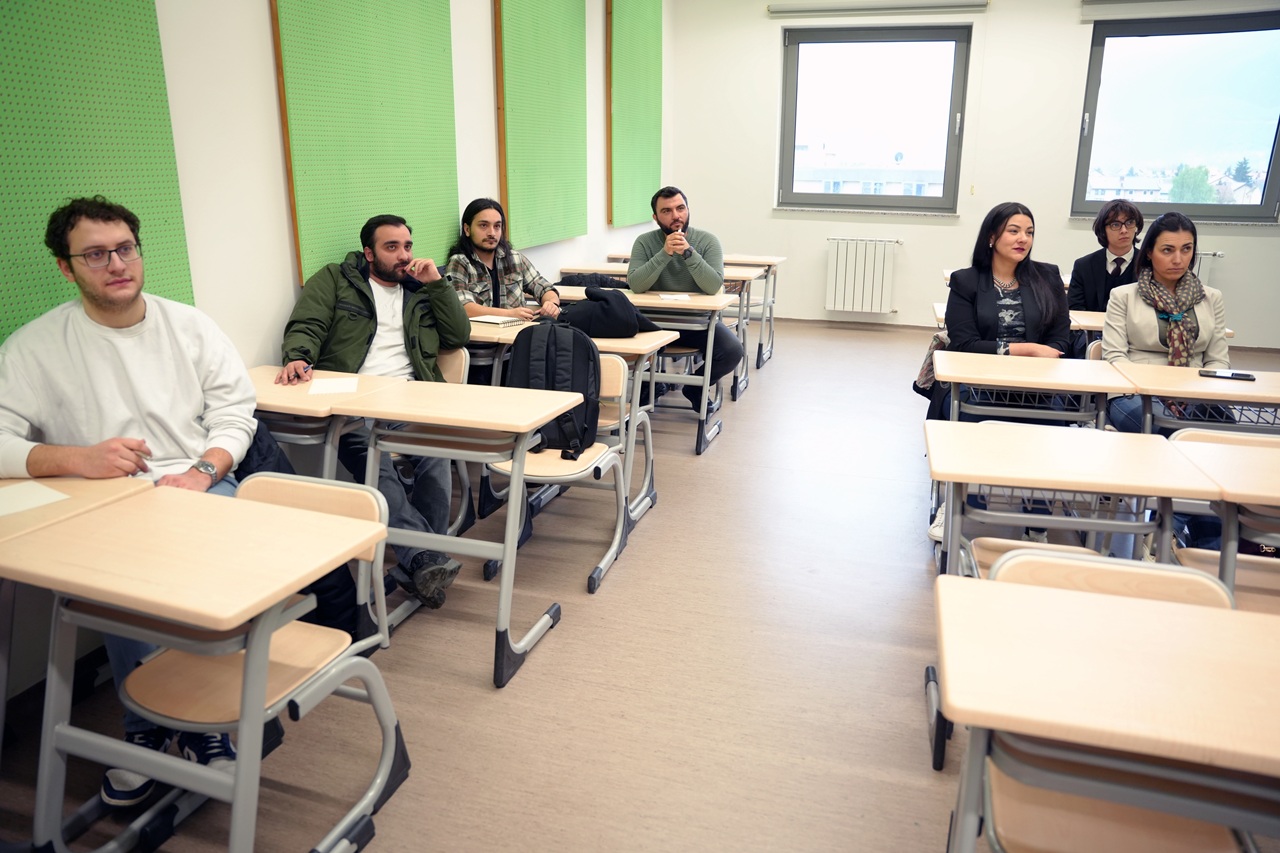
The lecture concluded with an engaging Q&A session, during which students had the opportunity to further explore the complexities of Russia–Ukraine relations and the broader post-Cold War international order.